Materials Science in Extreme Environments: Why CVD SiC Coatings Matter
CVD SiC Coatings (Chemical Vapor Deposition Silicon Carbide) are critical surface treatments that protect graphite components from oxidation, particle generation, and chemical attack in semiconductor manufacturing. By growing a layer of Silicon Carbide molecule-by-molecule onto a substrate, Tokai Carbon Graphite Solutions creates a non-porous, high-purity seal that extends component life significantly.
The Invisible Shield for Extreme Conditions
Graphite is an incredible material. It withstands heat that would melt steel. However, it has a weakness: it is porous and can release dust. In the hyper-clean world of semiconductor fabrication, dust is the enemy.
Therefore, we apply CVD SiC Coatings. This is not like painting a wall. Instead, it is a complex chemical process that occurs at the molecular level. We introduce gases into a high-temperature reactor. These gases react on the surface of the graphite, building a layer of solid Silicon Carbide.
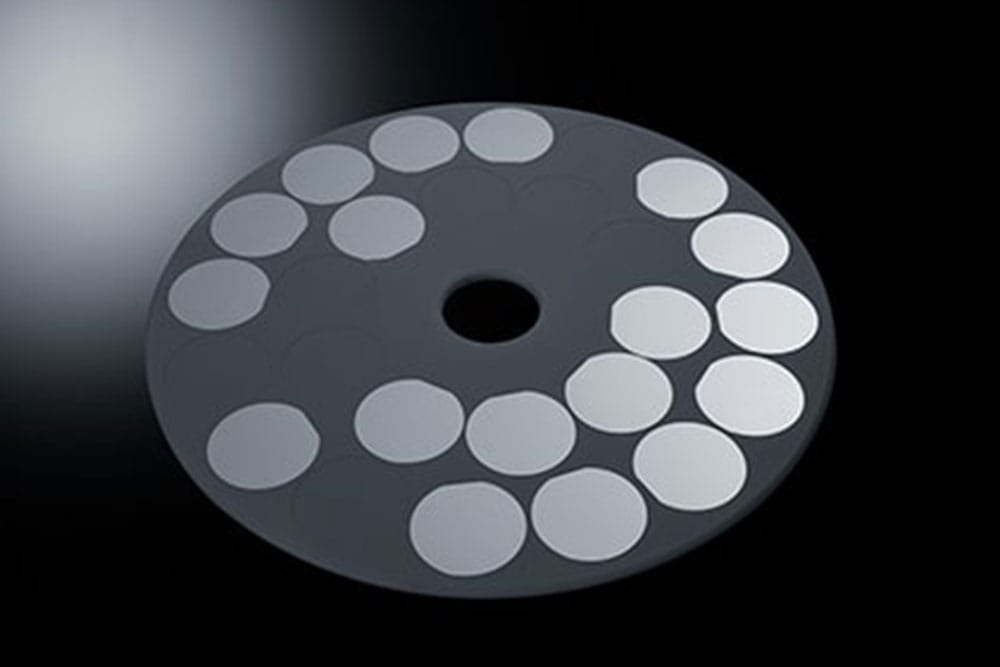
This layer is thinner than a human hair. Yet, it is harder than almost any metal. Consequently, it transforms a porous piece of carbon and graphite into a sealed, glass-like component.
How Chemical Vapor Deposition Works
The Chemical Vapor Deposition (CVD) process is a marvel of engineering. It requires precise control of gas flow, temperature, and pressure.
- Gas Introduction: Precursor gases (containing silicon and carbon) enter the reactor.
- Thermal Decomposition: The heat causes the gases to break down.
- Deposition: Silicon and carbon atoms land on the hot graphite surface.
- Crystal Growth: The atoms bond to form a dense SiC crystal lattice.
This process ensures the coating conforms perfectly to the complex shapes we machine. Whether it is a tiny thread or a large wafer carrier, the CVD SiC Coating covers every micron.
Why R&D Professionals Choose Tokai
For a materials scientist or a process engineer, carbon coatings are just the beginning. The real challenge—and the real excitement—is in perfecting the interface between the coating and the substrate.
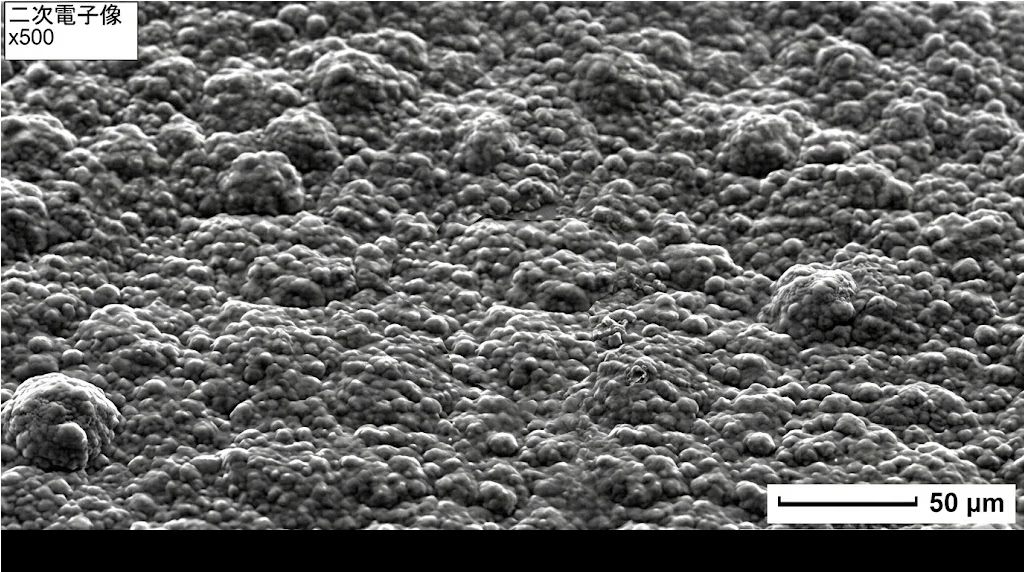
At Tokai Carbon Graphite Solutions, we treat our coating facility as a laboratory. We constantly tweak parameters to improve adhesion and purity. We analyze the grain structure of the Silicon Carbide coating. We push the limits of what CVD can do.
This dedication to science attracts the best minds. If you are passionate about thermodynamics and crystal growth, this is where you belong. You are not just monitoring a machine; you are managing a chemical reaction that enables the digital age.
Combating Corrosion and Wear
In a silicon epitaxy, the environment is brutal. Corrosive gases like ammonia and hydrogen chloride eat away at unprotected surfaces.
CVD SiC Coatings provide the armor. This means they resist reaction with these harsh gases. As a result, a coated susceptor can last significantly longer, while an uncoated one fails quickly.
Furthermore, the coating is incredibly hard. It resists the abrasive wear of wafer handling robots. This durability reduces downtime for our customers. It is a direct result of the technical prowess of our team.
The Future of Carbon and Graphite Coatings
The demand for higher performance microchips drives the need for better coatings. We are exploring new frontiers in carbon coatings and graphite coatings. We are looking at multi-layer structures. We are investigating new precursors.
This forward-leaning approach defines our company culture. We are not satisfied with yesterday’s technology. Instead, we are investing in the equipment and the people to define tomorrow’s standards.
Frequently Asked Questions (Q&A)
Q1: What is the primary benefit of CVD SiC Coatings?
A1: The primary benefit is purity and particle suppression. The coating seals the porous graphite surface, preventing carbon dust from contaminating the semiconductor wafer.
Q2: How thick are these coatings?
A2: Typically, CVD SiC Coatings range from 50 to 300 microns thick. This provides a robust barrier without significantly altering the dimensions of the machined part.
Q3: Can you coat complex geometries?
A3: Yes. Because Chemical Vapor Deposition is a gas-phase process, the gas penetrates into deep grooves, blind holes, and complex undercut features, ensuring uniform coverage.
Q4: Is the coating prone to cracking?
A4: Silicon Carbide has a different thermal expansion coefficient than graphite. Therefore, we carefully select “matched” graphite grades to minimize stress and prevent cracking during thermal cycling.
Q5: What is the difference between CVD and a spray coating?
A5: Spray coatings are mechanical bonds and can peel off. CVD creates a chemical bond at the atomic level, resulting in superior adhesion and density that spray methods cannot match.