The “Six-Month Journey”: Why CNC Machinists Are the Final Step in Perfection
High-quality isostatic graphite is not made in a day; it is the result of a rigorous six-month cycle involving mixing, isostatic pressing, baking, and graphitization. Consequently, CNC Machinists at Tokai Carbon Graphite Solutions (TCGS) interact with a material that has already survived months of intense thermal treatment to achieve atomic perfection.
The Material Defines the Mission
In many machine shops, speed is the only metric. The goal is to cut as fast as possible. However, at TCGS, we operate differently. We operate with respect for the material.
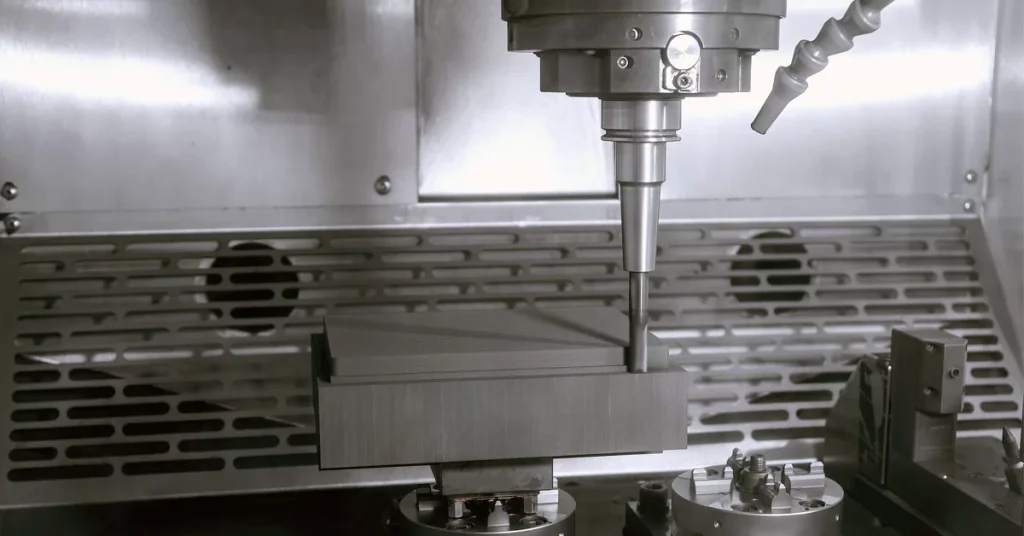
Our CNC Machinists understand that the black block sitting on their pallet is not just raw stock. Rather, it is a survivor. It has passed through a grueling, six-month manufacturing odyssey before it ever reaches the spindle.
Therefore, we do not look for button pushers. Instead, we seek artisans. We need professionals who understand the value of what they are cutting.
Step 1: The Mix and The Press
The journey begins with raw petroleum coke and pitch binder. These ingredients are ground into a fine powder. Subsequently, they are mixed with absolute precision.
If the mix is wrong, the material fails. Next, the powder enters a mold for forming.
For CNC Machinists, this is crucial. It means the material cuts consistently, regardless of the tool path. There are no surprises inside the block.
Why R&D Professionals Choose Tokai
For a materials scientist or a process engineer, carbon coatings are just the beginning. The real challenge—and the real excitement—is in perfecting the interface between the coating and the substrate.
At Tokai Carbon Graphite Solutions, we treat our coating facility as a laboratory. We constantly tweak parameters to improve adhesion and purity. We analyze the grain structure of the Silicon Carbide coating. We push the limits of what CVD can do.
This dedication to science attracts the best minds. If you are passionate about thermodynamics and crystal growth, this is where you belong. You are not just monitoring a machine; you are managing a chemical reaction that enables the digital age.
Step 2: The Long Bake (Carbonization)
Once molded, the “green” block is fragile. It must be baked. This is not a quick process. We place the blocks in a baking furnace.
This stage takes weeks. If we heat it too fast, the volatiles inside the binder will expand explosively. The block will crack. Thus, patience is our primary tool.
During this phase, the pitch binder turns into solid carbon. The block shrinks. It becomes hard. However, it is not yet graphite. It is simply baked carbon.
Step 3: Graphitization (The Transformation)
This is the most critical step. The carbon blocks move to a graphitization furnace. Here, we unleash the power of physics.
- The Physics: At extreme temperature, the chaotic carbon atoms rearrange themselves.
- The Structure: They align into the proper structure.
- The Outcome: Carbon transforms into Graphite.
This process consumes massive amounts of electricity. Furthermore, it takes weeks to reach temperature and weeks to cool down. Only after this lengthy cycle does the material possess the unique thermal and electrical properties required for the semiconductor industry.
This forward-leaning approach defines our company culture. We are not satisfied with yesterday’s technology. Instead, we are investing in the equipment and the people to define tomorrow’s standards.
The Role of the CNC Machinist
After six months of heating, cooling, and monitoring, the block is finally ready. It is dense. It is pure. And it is expensive.
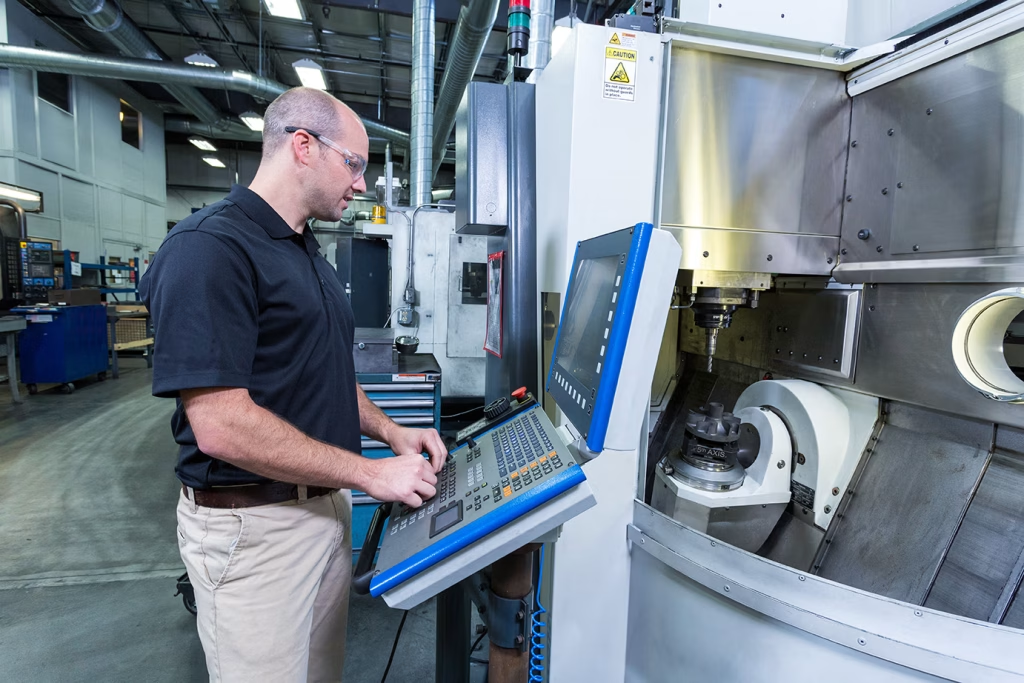
Now, it is handed over to our CNC Machinists.
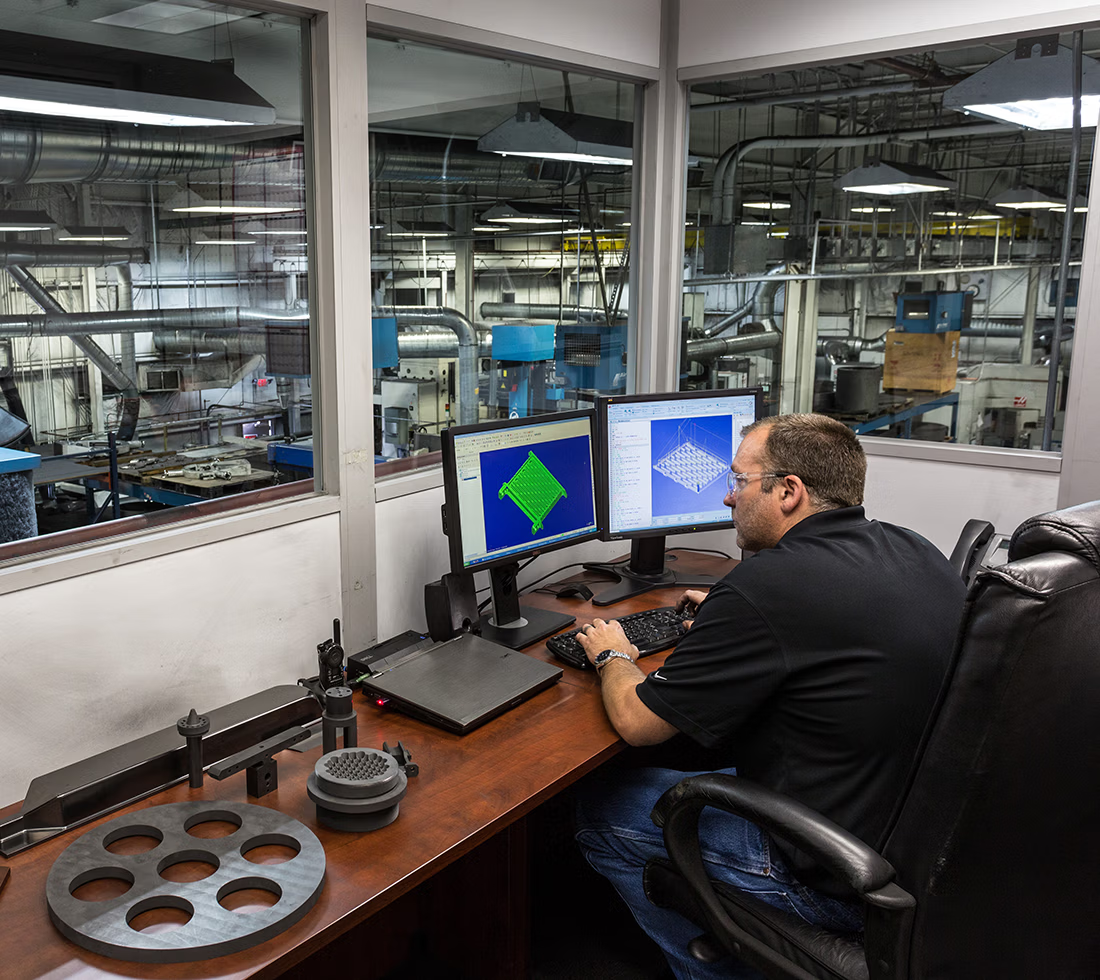
This is why your role is so important. You are the final gatekeeper. The company has invested half a year into that single piece of material. Therefore, when you set up the machine, precision is non-negotiable.
We rely on our machinists to:
- Verify the setup with extreme care.
- Monitor tool wear to prevent surface defects.
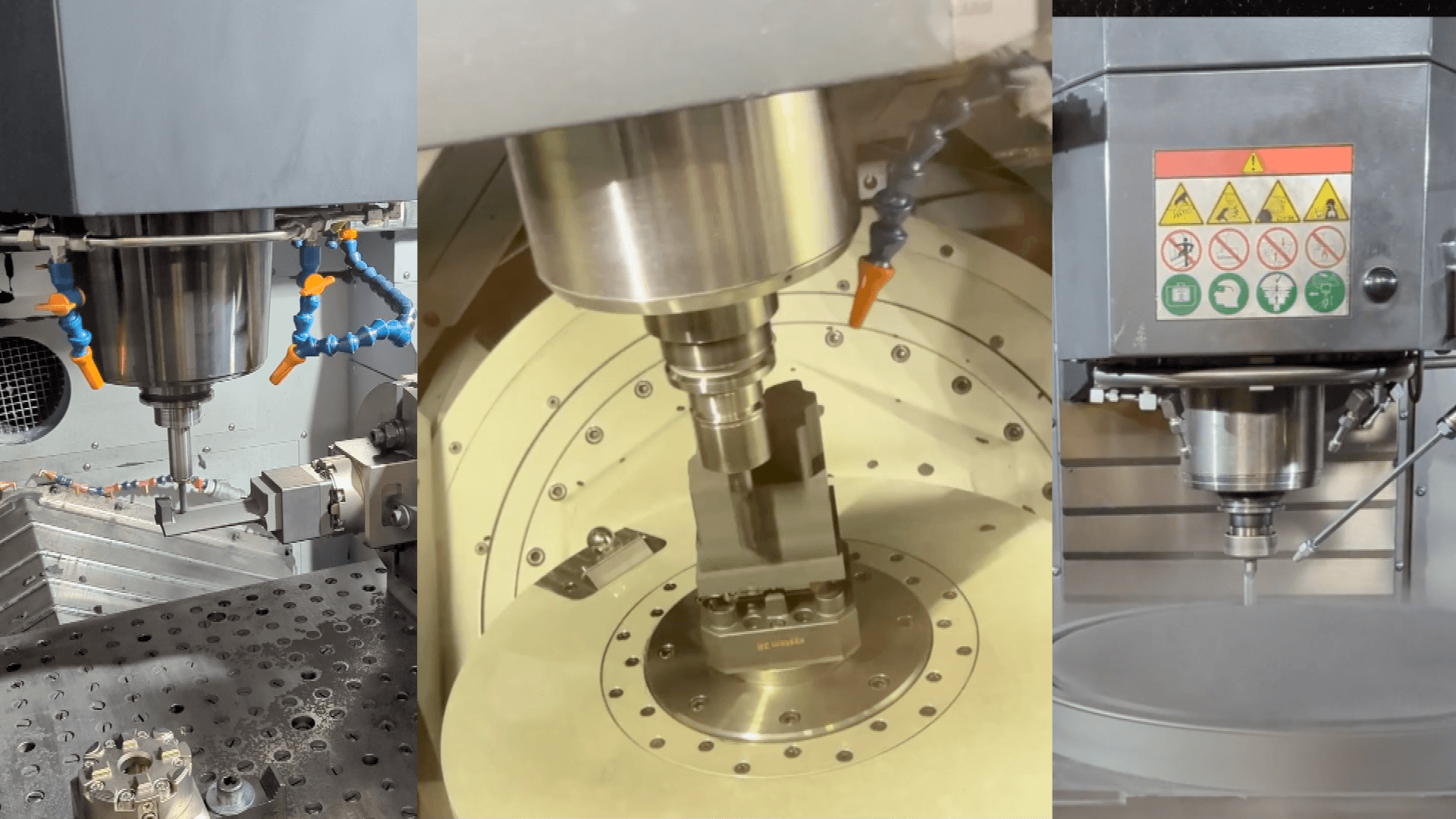
- Execute complex programs on 5-axis machines.
We do not rush you. We want the part done right. This environment appeals to CNC Machinists who take pride in their craft.
Advanced Protection: CVD and SiC
Sometimes, even pure graphite needs armor. For extreme semiconductor applications, we take the machined part one step further.
We utilize Chemical Vapor Deposition (CVD). In this process, we apply a Silicon Carbide coating (SiC) to the finished part. This creates a hard, impermeable shell.
However, the coating is only microns thick. It mirrors the surface underneath. Therefore, the surface finish left by the CNC Machinists must be flawless. If the machinist leaves a burr or a scratch, the coating will fail.
Thus, the success of our advanced carbon and graphite products rests entirely on the skill of our machining team.
Why Quality Machinists Choose Tokai
We know that skilled machinists have options. You can work in high-volume automotive shops. You can churn out thousands of identical aluminum parts.
Or, you can join the “Six-Month Journey.”
At TCGS, you work with unique materials. You work on massive components. You work in a clean, dust-controlled environment. Most importantly, you work for a company that values patience and precision over speed.
Our culture is built on the same principles as our manufacturing process: stability, consistency, and long-term quality.
Frequently Asked Questions (Q&A)
Q1: What is the primary benefit of CVD SiC Coatings?
A1: The primary benefit is purity and particle suppression. The coating seals the porous graphite surface, preventing carbon dust from contaminating the semiconductor wafer.
Q2: How thick are these coatings?
A2: Typically, CVD SiC Coatings range from 50 to 300 microns thick. This provides a robust barrier without significantly altering the dimensions of the machined part.
Q3: Can you coat complex geometries?
A3: Yes. Because Chemical Vapor Deposition is a gas-phase process, the gas penetrates into deep grooves, blind holes, and complex undercut features, ensuring uniform coverage.
Q4: Is the coating prone to cracking?
A4: Silicon Carbide has a different thermal expansion coefficient than graphite. Therefore, we carefully select “matched” graphite grades to minimize stress and prevent cracking during thermal cycling.
Q5: What is the difference between CVD and a spray coating?
A5: Spray coatings are mechanical bonds and can peel off. CVD creates a chemical bond at the atomic level, resulting in superior adhesion and density that spray methods cannot match.