Artemis II: How a Premier Aerospace Supplier - Fuels the Journey Back to the Moon
Tokai Carbon Graphite Solutions serves as a critical aerospace supplier by providing high-precision graphite machining and tooling for deep-space exploration. Our specialized teams engineered essential components for the Artemis II launch abort system and fairing assembly. Consequently, these contributions ensure the safety and success of humankind’s historic return to the lunar surface.
What is the Role of an Aerospace Supplier in the Artemis II Mission?
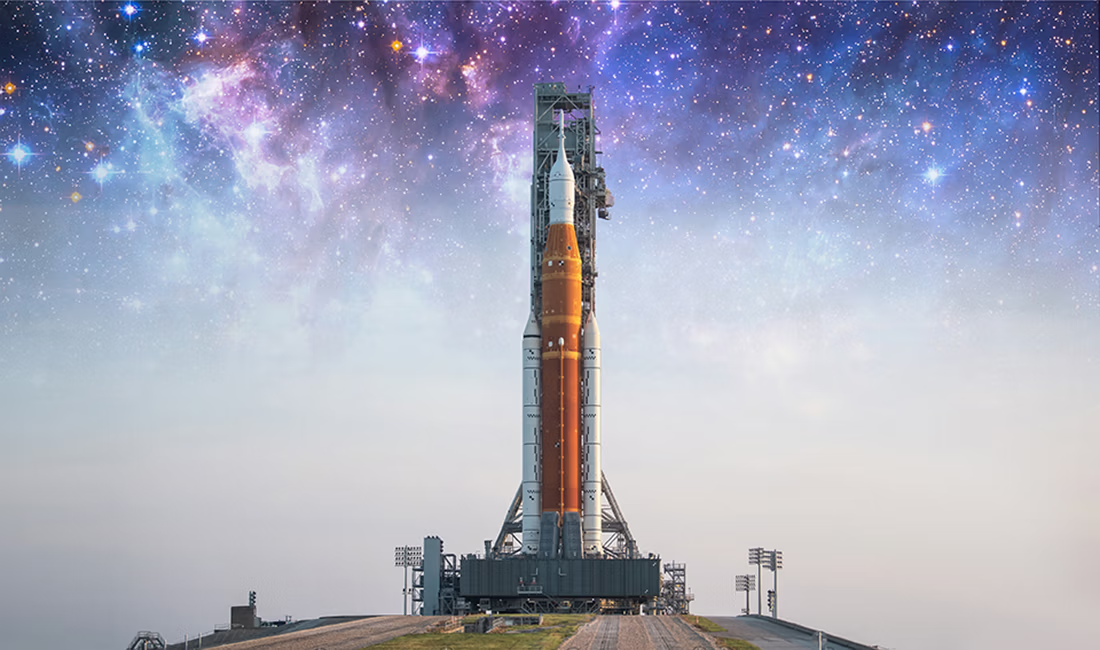
The Artemis II mission represents a massive leap for NASA. It is the first crewed mission under the Artemis program. Therefore, every single component must meet rigorous safety standards. An aerospace supplier like Tokai Carbon Graphite Solutions (TCGS) provides the foundational tooling required to shape advanced composites.
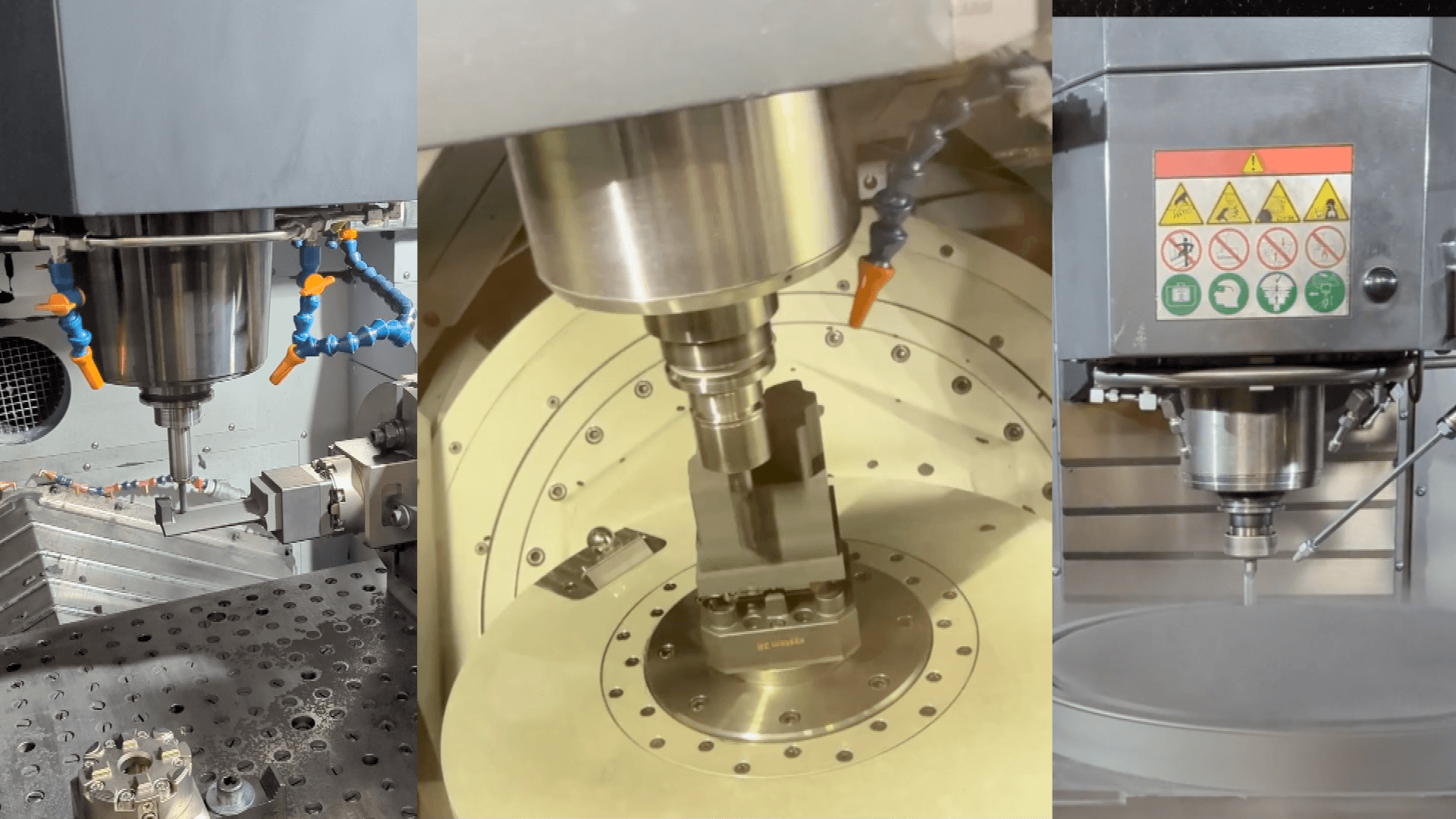
Because graphite maintains structural integrity at extreme temperatures, it is the ideal material for aerospace manufacturing. Our team utilizes advanced CNC machining to create complex geometries. This process allows for the production of parts that can withstand the violent forces of liftoff and atmospheric reentry. Essentially, we provide the “bones” that hold the mission together.
How Did TCGS Support the Artemis II Launch Abort System?
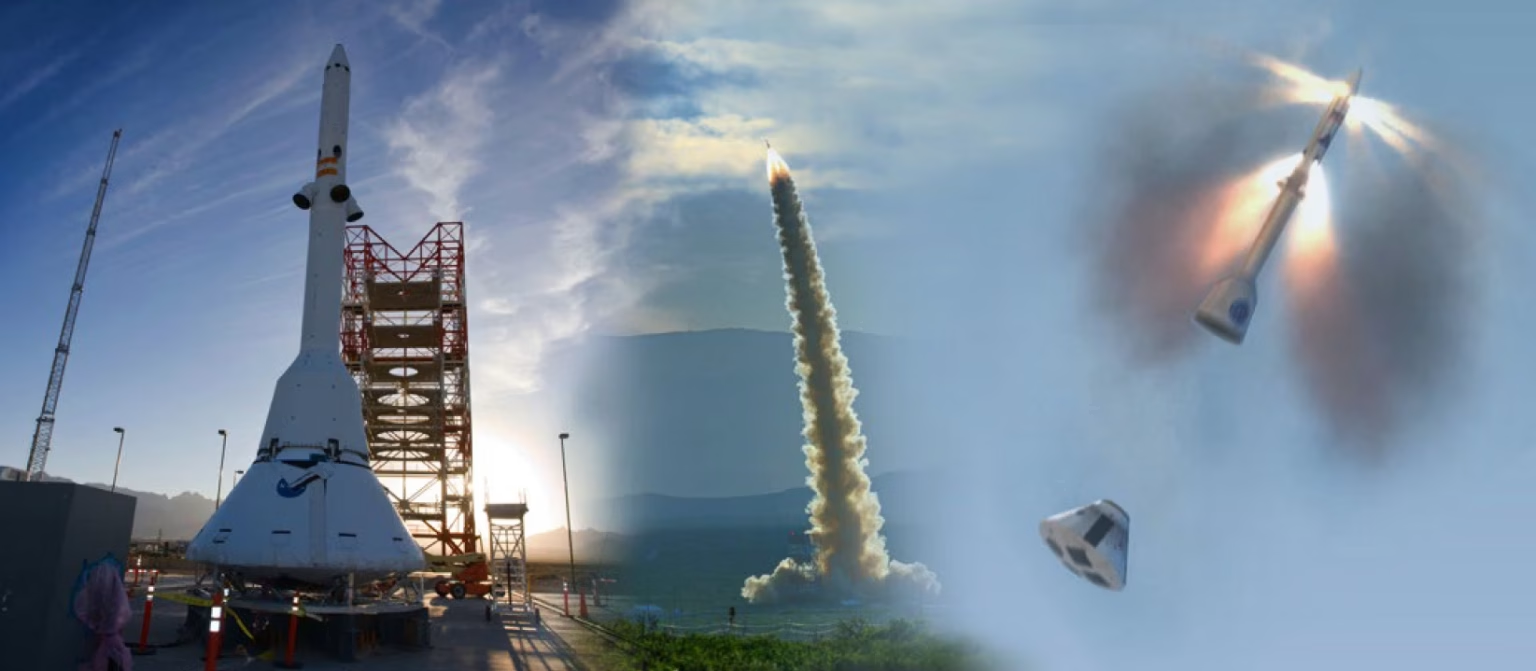
Safety is not just a metric; it is a promise to the crew. TCGS focused on the Launch Abort System (LAS), which is a critical safety feature. Specifically, it can pull the crew module away from the rocket during an emergency. It must work perfectly within milliseconds.
Our engineers and machinists produced the precision tooling needed for this critical system. Because the LAS requires absolute reliability, our graphite machining had to be perfect. We used high-grade graphite to ensure every cut met tight tolerances. As a result, Tokai helped secure the safety of the astronauts aboard the Orion spacecraft. This mission success relies on the silent strength of the components we craft.
Why is Graphite Essential for Research & Development (R&D) Manufacturing?
Graphite is a staple in R&D manufacturing because of its stable properties at high temperatures. Furthermore, it is easy to machine into complex molds. This flexibility allows for rapid prototyping and testing of new designs.
As a veteran aerospace supplier, Tokai understands these material properties deeply. We assist subcontractors in the R&D phase by providing graphite tooling that lasts longer and performs better. This efficiency reduces lead times for critical flight hardware. Also, our consistent quality ensures that prototypes transition smoothly into flight-ready components. We help turn experimental ideas into space-bound reality.
How is Graphite Used in Aerospace Composite Tooling?
When we talk about “graphite molds,” we refer to high-density isostatically pressed blocks. These are not raw pencil graphite. Instead, they are engineered carbon structures machined into precise molds. We use these to shape essential parts like:
- Carbon fiber reinforced polymer (CFRP) components: The lightweight skin of modern aircraft.
- Aircraft structural parts: Critical panels, ducts, and vanes.
- Hypersonics: Components that must survive extreme friction and heat.
How These Molds Function in Production
First, the mold acts as a layup surface for composites. Carbon fiber prepreg or dry fiber is laid onto the graphite mold surface. The mold defines the geometry and surface finish of the final part. This method is common in autoclave curing and vacuum bagging processes.
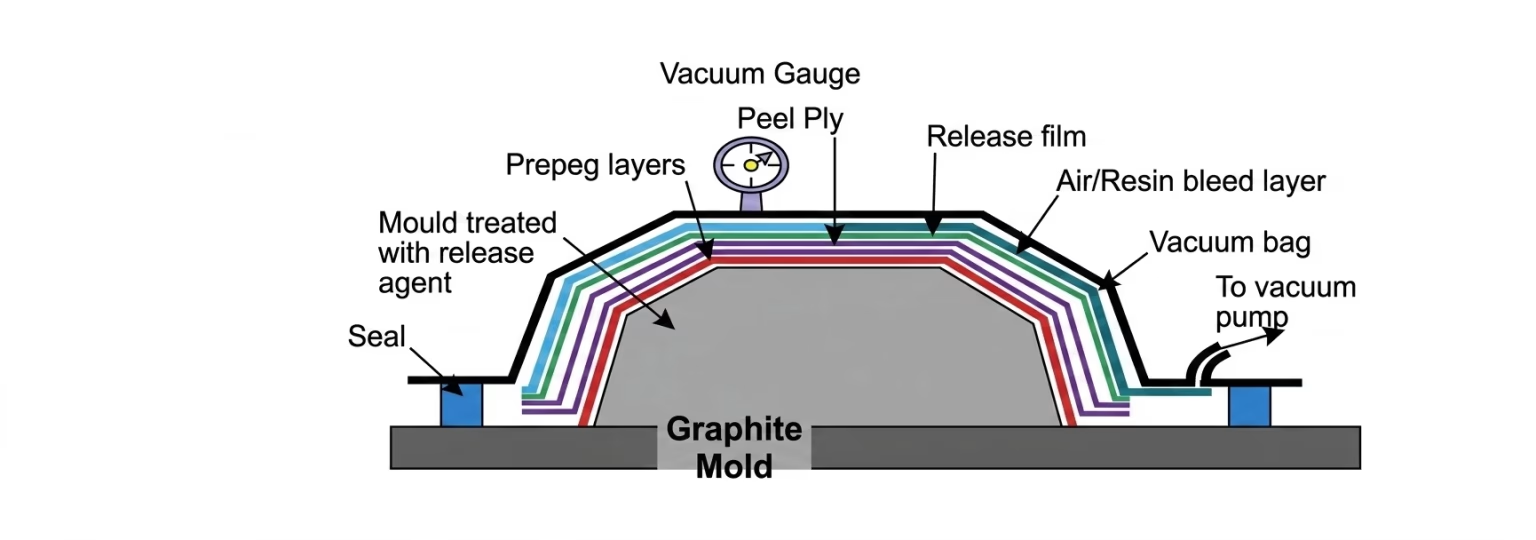
Second, graphite excels in high-temperature processing. It can withstand over 3000°C in inert atmospheres. This makes it ideal for Carbon-carbon composites (C/C) and Ceramic matrix composites (CMCs). Without this heat resistance, the spacecraft’s thermal protection systems would be impossible to manufacture.
Feature | Technical Benefit | Human Impact |
Thermal Stability | Low CTE; maintains shape | Seals remain airtight and safe |
Heat Resistance | Sublimates at ~3600°C | Parts survive reentry heat |
Conductivity | Even heat distribution | No weak spots in the hull |
Machinability | Complex, tight tolerances | Perfect fit for life-saving gear |
Why Graphite is Used: The Key Advantages
The human story of spaceflight is one of precision. If a mold warps even slightly, the parts won’t fit. Graphite’s very low coefficient of thermal expansion (CTE) prevents this. It maintains its shape during intense heating and cooling cycles. This is critical for meeting aerospace tolerances.
Additionally, graphite is chemically inert. It is compatible with most resins and fibers. It doesn’t react under inert or vacuum conditions. Therefore, the final parts remain pure and structurally sound. Furthermore, it is easier to machine than metals like Inconel. This allows an aerospace supplier to create intricate details that save weight and improve performance.
Tokai Carbon & Graphite Solutions: A Legacy of Reliability
Tokai Carbon & Graphite Solutions brings decades of service to the table. We are not just a vendor; we are a strategic partner. Our history in graphite machining spans several eras of flight. Thus, we have built a reputation for consistent, high-quality deliverables.
Being a reliable aerospace supplier means maintaining a robust supply chain. We ensure that our partners receive their tooling on time. Quality control is our highest priority. Therefore, every piece of graphite undergoes strict inspection. We maintain compliance with AS9100D, ISO 9001:2015, and CMMC level 1. These certifications prove our commitment to excellence.
The Future of Lunar Exploration and Beyond
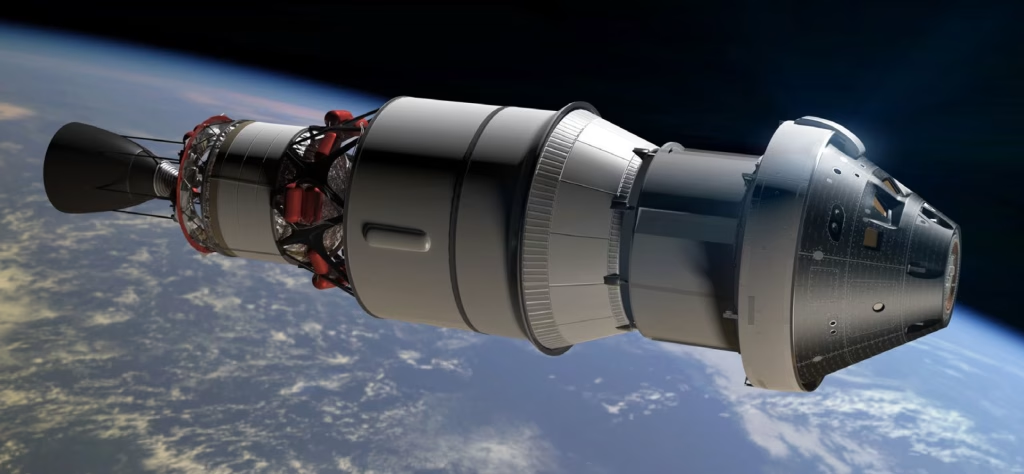
The Artemis II mission is just the beginning. Soon, humans will establish a long-term presence on the moon. Tokai is proud to contribute to this historic endeavor. Our role as an aerospace supplier will continue to evolve as we explore Mars and beyond.
We believe that space exploration inspires the next generation of engineers. Because of this, we invest heavily in new machining technologies. We want to ensure that the “Return to the Moon” is sustainable and safe. Our commitment to quality remains unshakable as we look toward the stars.
Expert Q&A: Understanding Aerospace Tooling
Q1: Why is graphite used for aerospace tooling instead of steel?
A: Graphite has a lower coefficient of thermal expansion. This means it stays stable when heated. Also, it is much lighter and faster to machine than tool steel.
Q2: What role does an aerospace subcontractor play in NASA missions?
A: Subcontractors provide specialized parts or services to primary contractors. As an aerospace supplier, Tokai provides the specific graphite expertise that larger firms may not have in-house.
Q3: How does EDM improve the quality of aerospace components?
A: EDM prevents mechanical stress on the material. Since there is no physical contact between the tool and the part, there is no vibration or distortion.
Q4: What makes Tokai a trusted partner in the supply chain?
A: Our reliability stems from our vertical integration and decades of experience. We control the quality of our graphite from the raw material to the finished machined part.
Q5: How does Artemis II differ from previous moon missions?
A: Artemis II is the first mission to send humans toward the moon in over fifty years. It tests the systems required for a permanent lunar base, rather than just a short visit.
Contact Tokai Carbon Graphite Solutions for all your professional graphite machining and aerospace tooling needs.
#ArtemisII #AerospaceSupplier #GraphiteMachining #NASASupplyChain #EDMMachining #PrecisionEngineering #SpaceExploration